

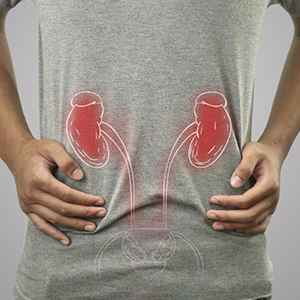
UTI and Kidney Infections when it becomes a serious kidney problem
Urinary tract infections (UTIs) are common health problems that affect people of all ages. Many people consider them minor and treat them casually. However, when left untreated or ignored, a simple UTI .....
Read MoreDoes High Salt intake Affect Kidney Function?
Salt is a common part of our daily diet, but too much of it can silently harm your health—especially your kidneys. Many people do not realize that excess salt can affect kidney function by increasing blood pressure and disturbing the body’s fluid balance......
Read More
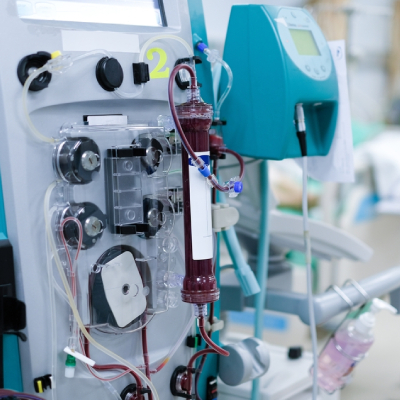
When Does Kidney Failure Lead To Dialysis?
Kidneys play a very important role in keeping our body healthy. They remove waste, balance fluids, control blood pressure, and help in making red blood cells. But when the kidneys stop working properly, serious health problems can occur. In some cases, dialysis becomes necessary to support the body.....
Read MoreHow High Blood Pressure Damage your Kidneys over time
High blood pressure, also known as hypertension, is a common condition affecting millions of people around the world. While many know that high B.P. can increase the risk of heart disease and stroke, fewer understand how it can slowly damage their kidneys. Over time, uncontrolled high blood pressure can lead to serious kidney problems,.....
Read More
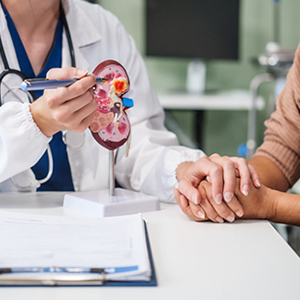
Importance of Regular Kidney Checkups for Preventing Chronic Kidney Disease
Our kidneys are vital organs that help filter waste and excess fluids from our blood, keeping our body healthy. However, many people are unaware that their kidneys might be getting damaged without showing any symptoms.....
Read MoreLife after Kidney Transplant : a new Beginning
Getting a kidney transplant is a life-changing event for many people with kidney disease. It offers a new chance to live a healthier and more active life. However, the journey doesn't end after the surgery. It is important to understand how life changes and what steps are needed to stay healthy after a transplant.
Read More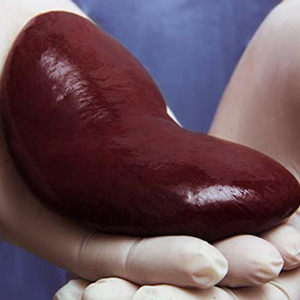
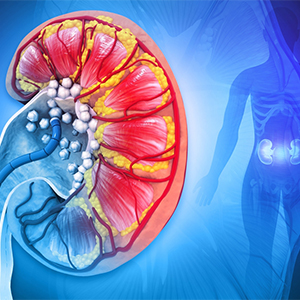
Kidney Stone Disease – Causes, Symptoms & Best Treatment Options in Vijayawada
Kidney stone disease is a common health problem that affects many people around the world. It happens when small, hard deposits made of minerals and salts form inside the kidneys. These stones can vary in size, from tiny grains to larger stones that block the flow of urine....
Read MoreUnderstanding Diabetic Kidney Disease in Vijayawada
Kidney disease is a condition where the kidneys gradually lose their ability to filter waste and excess fluids from the blood effectively. This impairment can lead to dangerous toxin buildup, fluid retention, and electrolyte imbalances, often progressing silently until advanced stages, potentially resulting in kidney failure requiring dialysis or transplant.
Read More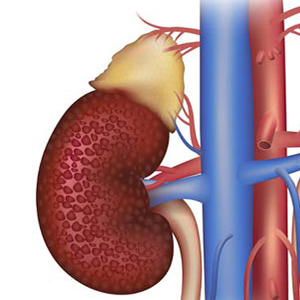
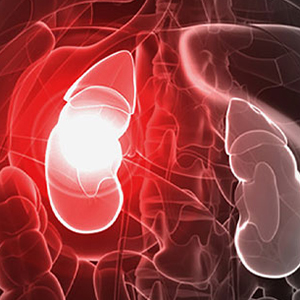
Life After Kidney Failure: Treatments, Recovery & Nephrology Care in Vijayawada
Kidney failure, also known as renal failure, occurs when the kidneys lose their ability to effectively filter waste products, excess fluids, and electrolytes from the blood. When kidneys fail, dangerous levels of waste and fluid build-up, potentially leading to life-threatening complications. Individuals with pre-existing conditions like diabetes, high....
Read MoreCommon early signs your kidneys might be in trouble
The kidneys play a vital role in maintaining overall health by filtering waste products and excess fluids from the blood, which are then excreted as urine. Beyond waste elimination, they regulate electrolyte balance, blood pressure, and red blood cell production through the release of hormones like erythropoietin. Kidneys also help maintain acid-base homeostasis, ensuring the body's pH remains stable. Their ability to activate vitamin D is crucial for calcium absorption,
Read More
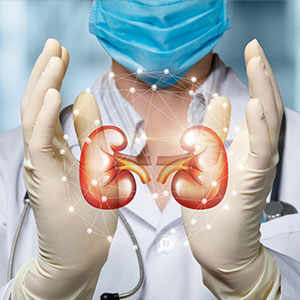
How to keep your kidneys healthy after 40
Kidney disease poses a significant threat to public health because it often remains asymptomatic in its early stages, making early detection challenging yet crucial. Without noticeable symptoms, many individuals are unaware they have the condition until it progresses to a severe stage, necessitating dialysis or a kidney transplant, which can significantly impact quality of life and healthcare resources
Read More