

Life after Kidney Transplant : a new Beginning
Getting a kidney transplant is a life-changing event for many people with kidney disease. It offers a new chance to live a healthier and more active life. However, the journey doesn't end after the surgery. It is important to understand how life changes and what steps are needed to stay healthy after a transplant.
Adjusting to Life after a Kidney Transplant
After a kidney transplant, most people feel better and have more energy. They can return to their daily activities, work, and hobbies that they enjoyed before kidney problems. But it is also a time of adjustment. The body needs to get used to the new kidney, and patients must follow specific medical advice. Regular check-ups are necessary to ensure the new kidney is working well. It is normal to experience some worries or fears, but with support from doctors and family, most people manage these feelings well.
Medical Care and Follow-Up with a Nephrologist in Vijayawada
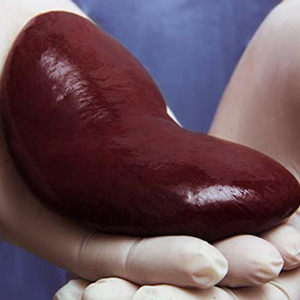
Post-transplant care involves regular visits to a nephrologist in Vijayawada and other healthcare providers. These doctors monitor the health of the new kidney through blood tests and other examinations. Patients are usually prescribed anti-rejection medicines to prevent the body from rejecting the new organ. It is very important to take these medicines exactly as prescribed. Missing doses or stopping medication can cause serious problems, including rejection of the kidney. The best kidney hospital in Vijayawada offers dedicated care to help patients manage their medications and health.
Diet and Lifestyle Changes
A healthy diet plays a vital role after a kidney transplant. Patients are advised to follow a balanced diet that is low in salt, sugar, and fat. It is also essential to stay well-hydrated by drinking enough water, unless advised otherwise by the kidney doctor in Vijayawada. Regular exercise, like walking or swimming, can help improve overall health, but it should be done with the approval of the healthcare team. Avoiding smoking, alcohol, and drugs is also crucial as these can affect the health of the new kidney.
Dealing With Complications
While most kidney transplants are successful, some complications may occur. These include infections, side effects of medicines, or rejection of the kidney. Symptoms such as swelling, fever, or reduced urine output should be reported immediately to the nephrologist in Vijayawada. Early detection and treatment are key to managing these issues effectively. The Sunrise Kidney Centre and other reputable hospitals in Vijayawada have experienced kidney doctors who can provide the best care in case of complications.
Emotional and Psychological Support after Transplant
Adjusting to life after a transplant can be emotionally challenging. Some people might feel anxious or depressed. It is important to seek support from counsellors, support groups, or loved ones. Talking openly about feelings can help reduce stress and improve mental health. Maintaining a positive outlook and having a good support system are important for long-term success.
Long-Term Outlook and Hope for Kidney Transplant Patients
Many people live healthy and fulfilling lives after a kidney transplant. The key is to follow medical advice, maintain a healthy lifestyle, and attend regular check-ups. With advances in medicine and care, the survival rate of transplanted kidneys has improved significantly. Patients can look forward to a better quality of life, more freedom, and many opportunities to enjoy life with family and friends.
Choosing the Right Healthcare Team in Vijayawada
For those considering or having undergone a kidney transplant, choosing the right healthcare team is important. The best kidney hospital in Vijayawada and experienced nephrologists, such as Dr. M. V. Sai Krishna, provide expert care and support throughout the journey. They guide patients through the complex process of recovery and help them lead healthy lives after transplant.
In conclusion, life after a kidney transplant can be rewarding and full of hope. With proper medical care, healthy habits, and emotional support, patients can enjoy a good quality of life and look forward to many happy years ahead.