

When Does Kidney Failure Lead To Dialysis?
Kidneys play a very important role in keeping our body healthy. They remove waste, balance fluids, control blood pressure, and help in making red blood cells. But when the kidneys stop working properly, serious health problems can occur. In some cases, dialysis becomes necessary to support the body.
What Is Kidney Failure?
Kidney failure happens when the kidneys lose their ability to filter waste and extra fluid from the blood. As a result:
- Toxins build up in the body
- Fluid accumulates
- Blood pressure rises
- Electrolyte levels become abnormal
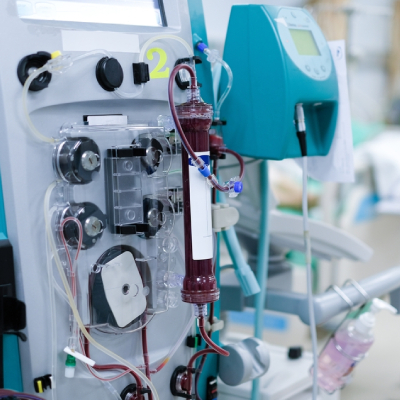
There are two main types:
1. Acute Kidney Failure (Sudden)
- Happens quickly, within days or weeks
- Often temporary
- Can improve with proper treatment
2. Chronic Kidney Disease (Long-Term)
- Develops slowly over months or years
- May progress to permanent kidney failure
- Often requires long-term management
When kidney function drops below a critical level, dialysis may be required.
What Is Dialysis?
Dialysis is a medical treatment that performs the job of damaged kidneys. It:
- Removes waste products
- Removes excess fluid
- Balances electrolytes
- Helps control blood pressure
There are two main types of dialysis:
- Hemodialysis – Blood is filtered through a machine
- Peritoneal Dialysis – Uses the lining of the abdomen to filter blood
Dialysis does not cure kidney failure, but it helps patients live longer and feel better. Patients requiring Dialysis treatment in Vijayawada should seek timely medical evaluation for proper care and monitoring
When Does Kidney Failure Lead To Dialysis?
Dialysis becomes necessary when the kidneys are no longer able to meet the body's needs. Doctors usually recommend dialysis when:
- Kidney function falls below 10–15%
- Severe symptoms appear
- Blood tests show dangerous toxin levels
- Fluid overload affects the lungs or heart
Doctors check kidney function using blood tests like serum creatinine and estimated GFR (Glomerular Filtration Rate).
Dialysis is started not just based on lab numbers, but also on symptoms.
Main Symptoms That Indicate Dialysis May Be Needed
If kidney failure becomes severe, you may notice the following symptoms:
- Severe swelling in legs, feet, or face
- Shortness of breath due to fluid in lungs
- Extreme tiredness and weakness
- Nausea and vomiting
- Loss of appetite
- Confusion or difficulty concentrating
- Persistent itching
- Very little or no urine output
- Chest pain due to fluid around the heart
These symptoms should not be ignored. Immediate medical evaluation is necessary.
Common Causes Of Kidney Failure
Kidney failure does not happen suddenly without reason. It usually develops due to underlying medical conditions.
- Diabetes – High blood sugar damages kidney blood vessels over time. Diabetes is the leading cause of chronic kidney failure.
- High Blood Pressure – Uncontrolled blood pressure strains kidney tissues and reduces their function.
- Recurrent Kidney Infections –Repeated infections can scar kidney tissues.
- Kidney Stones –Large or untreated stones may block urine flow and cause damage.
- Certain Medications – Long-term use of painkillers and some antibiotics can harm kidneys.
- Autoimmune Diseases – Conditions like lupus may attack kidney tissues.
- Severe Dehydration or Blood Loss –This may cause sudden (acute) kidney failure.
Understanding the cause helps in planning proper kidney failure treatment in Vijayawada and preventing further damage.
Temporary Vs Permanent Dialysis
Many people worry that once dialysis starts, it will continue forever. This is not always true.
Temporary Dialysis
- Used in acute kidney failure
- Kidneys may recover after infection or dehydration treatment
- Dialysis is stopped once kidney function improves
Permanent Dialysis
- Needed in advanced chronic kidney disease
- Required when kidney damage is irreversible
- May continue long-term unless a kidney transplant is done
An experienced Nephrologist in Vijayawada can evaluate whether dialysis is temporary or permanent based on the patient's condition.
Why Early Detection Is Important
Kidney disease often shows no symptoms in early stages. That is why regular health checkups are important, especially if you have:
- Diabetes
- High blood pressure
- Family history of kidney disease
- Heart problems
Simple tests like urine examination and blood creatinine levels can detect problems early.
Early treatment can:
- Slow kidney damage
- Delay the need for dialysis
- Improve quality of life
When Should You Consult A Specialist?
You should consult a doctor immediately if you notice:
- Swelling in the body
- Decreased urine output
- Uncontrolled blood pressure
- Persistent fatigue
- Abnormal kidney test results
Getting expert guidance from a Dialysis specialist in Vijayawada ensures accurate diagnosis and proper treatment planning.
At Sunrise Kidney Centre, patients receive comprehensive evaluation and advanced dialysis services under the supervision of Dr. M.V. Sai Krishna, who focuses on personalized and evidence-based kidney care.
Take Action Before It’s Too Late
Kidney failure is serious, but early care can prevent complications. Do not wait until symptoms become severe. If you or your loved one has diabetes, high blood pressure, or abnormal kidney reports, seek medical advice immediately.
For expert consultation and advanced care, contact a qualified nephrology team today. Early treatment can delay or even prevent dialysis in many cases.
Call Now for Appointment: +91 63024 87967
Protect Your Kidneys. Early Diagnosis Saves Lives.