
Diabetic Kidney Care in Vijayawada
Diabetic kidney disease (DKD), also known as diabetic nephropathy, is a progressive complication of diabetes mellitus that significantly impacts renal function. It develops as a result of prolonged hyperglycemia, which damages the small blood vessels in the kidneys, leading to increased permeability and proteinuria. Over time, this damage impairs the kidneys' ability to filter waste effectively, potentially culminating in end-stage renal disease (ESRD). Risk factors for DKD include poor glycemic control, hypertension, genetic predisposition, and smoking. The early stages often present asymptomatically, making routine screening for microalbuminuria essential for early detection. Management strategies focus on stringent blood sugar and blood pressure control, alongside the use of ACE inhibitors or ARBs to reduce proteinuria and slow disease progression. Lifestyle modifications, such as dietary adjustments and smoking cessation, are also vital. Ultimately, timely intervention by the best nephrologist in Vijayawada can delay or prevent the progression to kidney failure, improving quality of life for individuals with diabetes.
Who are more prone to suffer with DKD?
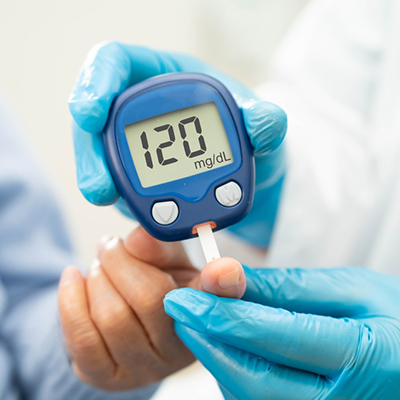
Individuals with a combination of risk factors are more prone to developing diabetic kidney disease (DKD). Specifically, those with poorly controlled blood glucose levels and hypertension face a significantly higher risk, as sustained hyperglycemia damages the delicate filtering units of the kidneys. People with a family history of kidney disease or diabetes are genetically predisposed, increasing their susceptibility. Additionally, certain ethnic groups, experience higher rates of DKD, likely due to genetic, socioeconomic, and healthcare disparities. Obesity is another critical factor, as excess weight exacerbates insulin resistance and blood pressure issues, further stressing kidney function. Chronic smoking and sedentary lifestyles also contribute by promoting vascular damage and poor metabolic health. Furthermore, individuals with longer duration of diabetes are more vulnerable, as cumulative exposure to high blood sugar levels gradually impairs renal function. Overall, a combination of genetic, lifestyle, and disease management factors determines DKD risk, emphasizing the importance of early intervention and comprehensive diabetic kidney care treatment in Vijayawada
Symptoms of DKD
Diabetic kidney disease (DKD) often begins subtly, with early signs sometimes going unnoticed, but as it progresses, symptoms become more apparent. Patients may experience persistent swelling, particularly in the ankles, feet, or around the eyes, due to fluid retention caused by impaired kidney function. Another common symptom is increased urination, especially at night, reflecting the kidneys' inability to properly filter waste and excess fluid. Urine may appear foamy or frothy, indicating protein leakage, a hallmark of DKD. Fatigue and weakness are frequent complaints, stemming from anemia caused by decreased erythropoietin production in damaged kidneys. Some individuals notice a change in urine color or the presence of blood, which signals further renal impairment. Additionally, unexplained weight loss, nausea, and loss of appetite can occur as toxins build up in the bloodstream. As the disease advances, high blood pressure often worsens, creating a vicious cycle that exacerbates kidney damage. In later stages, symptoms such as shortness of breath and chest pain may develop due to fluid buildup and cardiovascular strain. Recognizing these symptoms early is vital for timely intervention by a diabetic kidney care specialist in Vijayawada to slow disease progression and prevent irreversible kidney failure.
Clinical Diagnosis of DKD
The diagnosis of diabetic kidney disease (DKD) involves a combination of clinical assessments and laboratory tests. Initially, patients are evaluated for persistent albuminuria, typically defined as an albumin excretion rate of ≥30 mg/24 hours or an albumin-to-creatinine ratio (ACR) of ≥30 mg/g, confirmed over at least two out of three tests over three to six months to account for variability. Concurrently, estimated glomerular filtration rate (eGFR) is monitored using serum creatinine levels, with a decline indicating progression of kidney impairment. Urinalysis may reveal additional signs such as granular casts or lipiduria. Imaging studies like renal ultrasound help exclude other causes of kidney disease. Importantly, the diagnosis is often supported by the presence of long-standing hyperglycemia and diabetic retinopathy, as these conditions frequently coexist. Early detection at a kidney hospital in Vijayawada through these methods is crucial for implementing interventions that slow DKD progression and prevent end-stage renal disease.
Treatment and Management of DKD
The management of diabetic kidney disease (DKD) focuses on controlling blood glucose levels, optimizing blood pressure, and reducing proteinuria to slow disease progression. Tight glycemic control is achieved through lifestyle modifications, including diet and exercise, alongside the use of antidiabetic medications such as SGLT2 inhibitors and GLP-1 receptor agonists, which have demonstrated renal protective effects. Blood pressure management is crucial; ACE inhibitors or ARBs are first-line agents due to their ability to reduce intraglomerular pressure and proteinuria. Regular monitoring of kidney function and albuminuria helps tailor treatment and detect early deterioration. Sodium intake should be moderated to assist in blood pressure control, while lipid management with statins reduces cardiovascular risks associated with DKD. Emerging therapies, like finerenone, a non-steroidal mineralocorticoid receptor antagonist, have shown promise in reducing albuminuria and slowing renal decline. Additionally, addressing comorbid conditions such as hypertension and dyslipidemia is vital. Patient education on medication adherence, dietary restrictions, and lifestyle changes enhances outcomes. Dr. M.V. Sai Krishna at Sunrise Kidney Centre further states that in advanced stages, renal replacement therapy, including dialysis or transplantation, becomes necessary. Best diabetic kidney doctor in Vijayawada may consider a multidisciplinary approach involving endocrinologists, nephrologists, dietitians, and primary care providers ensures comprehensive management tailored to individual patient needs, ultimately aiming to preserve renal function and improve quality of life.
Frequently Asked Questions (FAQs)
How does diabetes affect the kidneys?
Diabetes can damage the kidney’s filtering system over time, leading to a condition called diabetic kidney disease or nephropathy.
What are the early signs of diabetic kidney problems?
Early signs include swelling in feet or face, foamy urine, fatigue, frequent urination, and changes in blood pressure levels.
How can diabetic kidney disease be managed?
It can be managed by controlling blood sugar levels, maintaining blood pressure, following a kidney-friendly diet, and regular medical check-ups.
Can diabetic kidney damage be reversed?
Early stages can be controlled and slowed with proper treatment, but advanced kidney damage may require long-term management or dialysis support.
Where can I find a Best Nephrologist in Vijayawada for diabetic kidney care?
For expert diagnosis and treatment, consult a Best Nephrologist in Vijayawada who specializes in managing diabetic kidney complications and preventing further damage.