

Life After Kidney Failure: Treatments, Recovery &
Nephrology Care in Vijayawada
What is meant by kidney failure?
Kidney failure, also known as renal failure, occurs when the kidneys lose their ability to effectively filter waste products, excess fluids, and electrolytes from the blood. When kidneys fail, dangerous levels of waste and fluid build-up, potentially leading to life-threatening complications. Individuals with pre-existing conditions like diabetes, high blood pressure and certain infections are more prone to develop renal failure. Some very common symptoms include fatigue, swelling, shortness of breath, and changes in urination pattern. Treatment options that a nephrologist in Vijayawada may consider vary from dialysis to kidney transplantation, depending on the severity, aiming to restore the body's balance and prevent further organ damage.
Types of Kidney failure
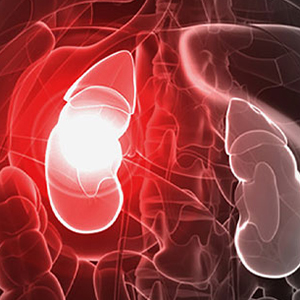
Kidney failure, also known as renal failure, can be classified into two main types namely acute and chronic.
Acute Kidney Failure (AKF)
Rapid decline in kidney function, usually developing over hours or days, often caused by dehydration, severe infections, or sudden blood loss.
Chronic Kidney Disease (CKD)
Gradual loss of kidney function over months or years, commonly resulting from diabetes, hypertension, or glomerulonephritis, and often leading to end-stage renal disease requiring dialysis or transplant.
End-Stage Renal Disease (ESRD)
The final phase of CKD where kidneys fail completely, necessitating dialysis or transplantation for survival.
Kidney failure can also be categorised as:
Prerenal Failure
Due to inadequate blood flow to the kidneys, often caused by heart failure or shock, leading to decreased filtration.
Intrarenal Failure
Damage within the kidney tissue itself, resulting from conditions like toxins, infections, or autoimmune diseases.
Recognizing these types, aids in targeted management and treatment strategies.
Clinical Diagnosis of Kidney failure
The clinical diagnosis of kidney failure by the best Kidney specialist in Vijayawada involves several key steps:
- Patient history assessment to identify symptoms such as fatigue, edema, and reduced urine output.
- Physical examination noting signs like hypertension, pulmonary edema, and uremic fetor.
- Laboratory tests including serum creatinine and blood urea nitrogen (BUN) levels to evaluate renal function.
- Urinalysis to detect proteinuria, hematuria, or casts indicative of renal pathology.
- Imaging studies such as ultrasound to assess kidney size, structure, and possible obstructions.
- Estimation of glomerular filtration rate (GFR) using formulas like CKD-EPI or MDRD to determine stage of failure.
- Additional tests like electrolytes, acid-base balance, and complete blood count to evaluate complications.
- Differential diagnosis considering causes like diabetic nephropathy, hypertensive nephrosclerosis, or glomerulonephritis. Accurate diagnosis facilitates timely management and intervention to slow disease progression.
Treatment Options for Kidney Failure
Treatment of kidney failure primarily involves managing symptoms and preventing complications through dialysis or kidney transplantation. Dialysis helps remove waste and toxins from the blood when the kidneys can no longer perform these functions. Kidney transplantation in Vijayawada offers a more permanent solution by replacing the failed organ with a healthy donor kidney, thereby improving quality of life and survival rates. Alongside these treatments, patients must follow a strict diet low in salt, potassium, and phosphorus, while also managing blood pressure and blood sugar levels to slow disease progression. A kidney doctor in Vijayawada may also prescribe medications to control anemia and support bone health, ensuring more comprehensive care.
Life After Kidney Failure Treatment
Life after treatment for kidney failure, whether through dialysis or transplantation, marks a significant transition filled with both challenges and opportunities. For many, adjusting to new routines becomes central dialysis requires regular sessions that can impact daily activities, while transplantation often brings the hope of a more normal life but involves lifelong medication and frequent monitoring to prevent rejection. Physically, patients may experience improved energy and overall health post-treatment, yet they also need to stay vigilant against infections, cardiovascular issues, and medication side effects. Psychologically, adapting to a chronic condition can be taxing, prompting the need for ongoing emotional support and counselling. Socially, individuals often find renewed independence and the ability to engage in work, hobbies, and family life, although they must navigate limitations imposed by their health status. Advances in medical care and supportive therapies continue to enhance quality of life, emphasizing the importance of a multidisciplinary approach that includes medical management, nutrition, exercise, and mental health services. Empowered self-care and education are crucial, enabling patients to recognize early signs of complications and maintain a balanced lifestyle. Community support groups and patient networks also play a vital role in sharing experiences and fostering resilience.
Expert Insights from Nephrologists in Vijayawada
According to Dr. M.V. Sai Krishna, a renowned nephrologist at Sunrise Kidney Centre in Vijayawada, life after kidney failure treatment is about redefining personal goals and embracing a proactive approach to health, with many individuals leading fulfilling lives, driven by hope, resilience, and the continuous advancements in renal care.